
Wall Printing vs Wallpaper: Which Fits Your Project?
Compare wall printing vs wallpaper for Saudi projects. Explore seams, surface preparation, installed costs, maintenance and replacement before you choose.
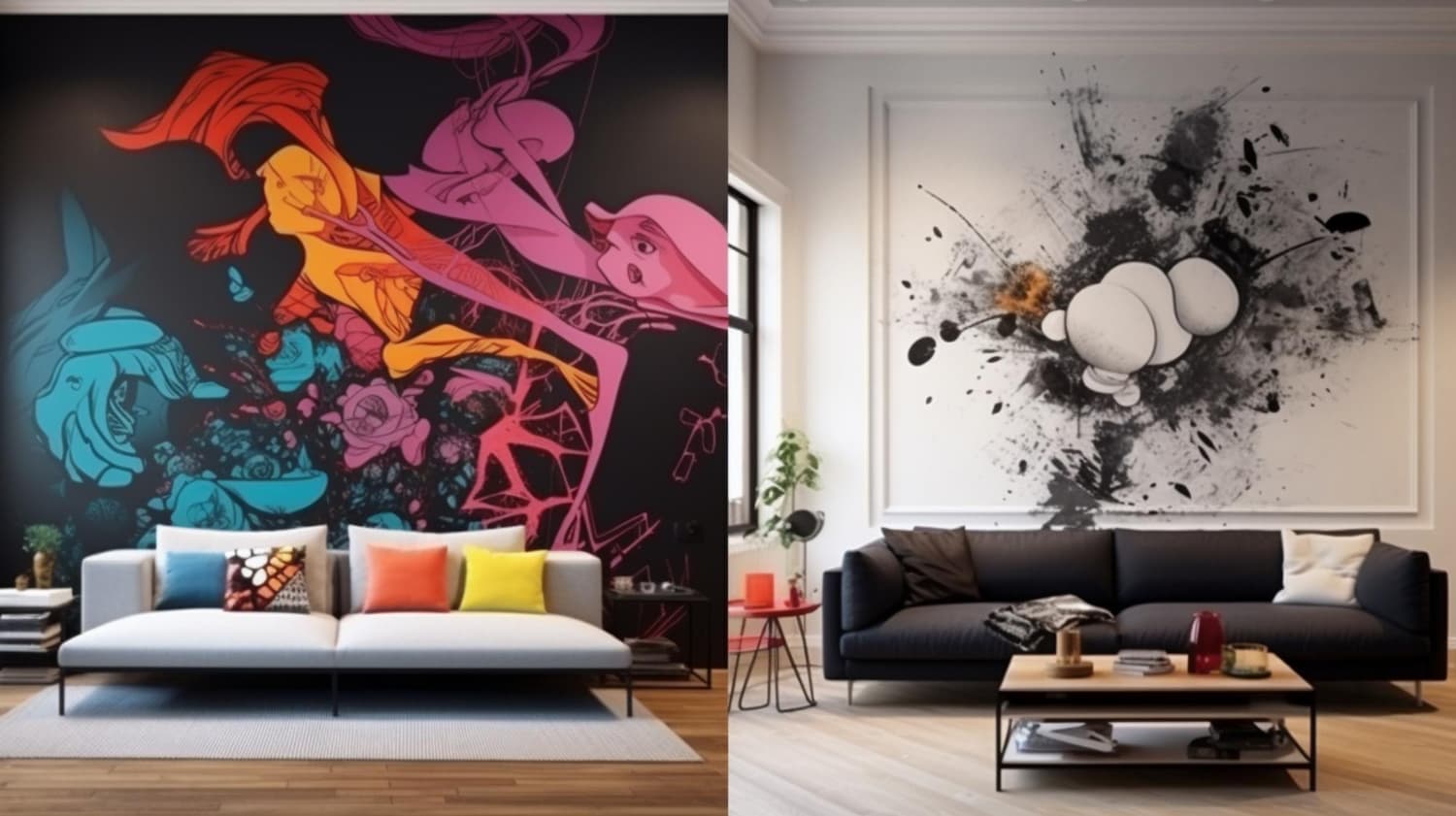
Wall printing vs wallpaper comes down to the finish you want and how you expect to change it later. Direct-to-wall printing creates artwork on the prepared surface without wallpaper panel joins. Wallpaper adds a separate covering and offers material finishes, patterns and, with certain products, removable options.
Neither is automatically the better investment. Your wall condition, installed scope, maintenance requirements and planned replacement cycle should guide the decision.
Wallinks provides direct wall printing in Saudi Arabia for residential and commercial spaces. This guide explains what to compare before approving either finish.
What Is the Difference Between Wall Printing and Wallpaper?
Wall printing applies ink directly to a prepared surface, while wallpaper adds a separate wallcovering held by an adhesive layer, making the main differences the presence of panel joins, the material finish, installation requirements and how the design is changed later.
Direct-to-wall printing
A vertical printer applies digital artwork directly to an approved surface. There are no wallpaper sheets to hang or align, although existing construction joints and surface texture can remain visible.
Manufacturers describe printing on materials including plaster, concrete, wood and glass; suitability still requires assessment of the actual surface.
Explore wall printing services in Saudi Arabia to identify applications relevant to your space.
Wallpaper and printed wallpaper murals
Wallpaper is installed in strips or panels. It may feature a repeating pattern, a textured finish or a custom image distributed across several panels.
A printed mural vs wallpaper comparison needs clarification: a mural describes the artwork, while wallpaper describes its backing material. A custom mural can therefore be printed onto wallpaper or directly onto a wall.
Wall Printing vs Wallpaper: Quick Comparison
Buyer priorityDirect wall printingWallpaperApplicationInk applied to the approved surfaceSeparate covering attached with adhesivePanel joinsNo wallpaper panel joinsJoins between strips or panelsAppearanceArtwork follows the underlying surfaceFinish depends on the selected materialCustom designArtwork positioned for the wallCustom murals and repeat patterns availablePreparationSuitable, stable surface requiredPreparation and adhesive compatibility requiredFuture changesRepainting or surface restorationRemoval method depends on the productCleaningFollow ink and surface instructionsFollow the wallpaper’s care rating
Use this wall printing wallpaper comparison to shortlist options, then review samples and written specifications.
Which Option Fits Your Project?
Choose wall printing when your priority is custom artwork without wallpaper panel joins on an approved surface, and consider wallpaper when a particular material texture, repeat pattern or documented removable system better matches your design brief, rental conditions and planned replacement cycle.
Prioritize the artwork and finish
For an office reception wall, direct printing may suit a precisely positioned logo or illustration. Wallpaper may suit a hotel room where a particular woven, embossed or decorative material finish is central to the design.
Both options can support custom artwork. Discuss custom wall printing design when your layout needs to accommodate furniture, signage or architectural features.
Match the replacement cycle
A long-term brand wall and a frequently refreshed retail display have different buyer priorities.
If you expect frequent changes, ask how the finish will be removed or covered. Some nonwoven wallpapers are specifically designed for removal, but that feature should be confirmed for the exact product.
Review the wall printing project gallery for visual references, while remembering that photographs do not establish cleaning performance or suitability for your wall.
Compare Surface Preparation Before Installation
Neither finish should be used to disguise an unresolved wall problem.
Check for:
Loose or peeling paint.
Dust, grease and unstable coatings.
Damp patches or leaks.
Cracks, holes and uneven repairs.
Texture that could affect the intended appearance.
For wallpaper, the Wallcovering Installers Association emphasizes repairs, cleaning and preparation compatible with the wallpaper and adhesive manufacturer’s instructions.
For direct printing, request supplier review of the surface condition and any proposed primer. A visually smooth wall is not necessarily ready for printing.
Installation Time and Site Access
Printing time and total project time are different measurements.
A quote should account for preparation, equipment access, artwork approval, execution and handover. Review how the wall printing process works before coordinating other trades.
For pasted wallpaper, the Wallcovering Installers Association describes a typical drying period of 24–48 hours, although the selected product and site conditions determine the actual schedule.
For a Saudi project, confirm building access, working hours, air-conditioning availability and the route for equipment. Do not assume that fast ink curing eliminates preparation or access requirements.
How Should You Compare Installed Costs?
Neither wall printing nor wallpaper is always cheaper, because the installed cost depends on artwork, wall area, surface condition, preparation, materials, access and labor, so a fair comparison requires written quotations covering the same finished result and the same responsibilities for future removal.
For example, a wall measuring 4 meters × 3 meters has a gross area of 12 m². Ask how openings, minimum charges and preparation affect the billable area.
Compare:
Design fees and revision allowances.
Surface repairs and priming.
Printing or wallpaper supply.
Installation, delivery and access charges.
Protection, cleanup and applicable VAT.
Future repairs, removal or repainting.
Use a wall printing consultation and design review to establish the scope before comparing quotations.
Maintenance and Project Lifespan
There is no reliable universal lifespan for either category. Performance depends on the specified materials, underlying surface, exposure, cleaning and everyday contact.
Not all wallpaper is washable. Graham & Brown advises following the product’s cleaning characteristics and avoiding abrasive cleaners even on washable wallpaper.
For printed walls, obtain written cleaning instructions and clarify how damaged areas would be repaired. Ask whether a protective coating is included or needed for the intended use.
A Five-Step Decision Framework
Define the purpose. Identify whether the wall is decorative, branded, temporary or intended for long-term use.
Record dimensions and condition. Provide measurements, photographs and details of the existing coating.
Compare physical samples. Assess color, texture and appearance under the room’s lighting.
Match the installed scope. Compare preparation, execution, maintenance and future changes.
Approve the specification. Document artwork, responsibilities, access arrangements and acceptance criteria.
For a wall finish comparison in Saudi Arabia, explain the room’s use and replacement expectations when discussing residential and commercial wall printing.
Frequently Asked Questions
Is wall printing cheaper than wallpaper?
Wall printing is not automatically cheaper than wallpaper because the final price depends on the complete installed scope, including design, preparation and access, so compare itemized quotations for the same wall and ask how repairs, future repainting or wallpaper removal will be priced.
Can direct wall printing be applied over wallpaper?
Printing over existing wallpaper may be technically possible with some equipment, but suitability depends on the wallpaper material, adhesion, texture and the proposed ink system, so obtain supplier approval and a test before proceeding rather than treating every wallpapered surface as ready to print.
Which is easier to clean: wall printing or wallpaper?
Ease of cleaning depends on the specified ink, wall coating or wallpaper product rather than the category alone, so request written care instructions and confirm whether the finish tolerates damp wiping, detergents or frequent cleaning before choosing it for a busy commercial space.
Which option is easier to remove or change?
Some wallpaper products are designed for removal, but their performance depends on the product and installation conditions, while a direct wall print generally requires an agreed repainting or surface restoration method, making the future change process an important part of the initial buying decision.
What should Saudi commercial buyers request before booking?
For a Saudi commercial project, request a wall assessment, approved artwork, an itemized quotation, access requirements, care instructions and any documents required by the building or project specification, because suitability depends on the complete installed finish rather than a generic claim about printing or wallpaper.
Conclusion
Direct wall printing suits custom artwork without wallpaper panel joins. Wallpaper offers a broad choice of material finishes and product-specific replacement options. Compare the actual surface, complete installed cost, cleaning requirements and future change process before deciding.
Ready to assess your wall? Request a wall printing consultation with Wallinks. Share your dimensions, site photographs and design brief to discuss suitability and request a project-specific quotation.