
Requesting a Wall-Printing Quote: The Information to Send First
Use this wall printing quotation checklist to send the right details first: site, wall sizes, photos, surface, artwork, dates and scope in Saudi Arabia.
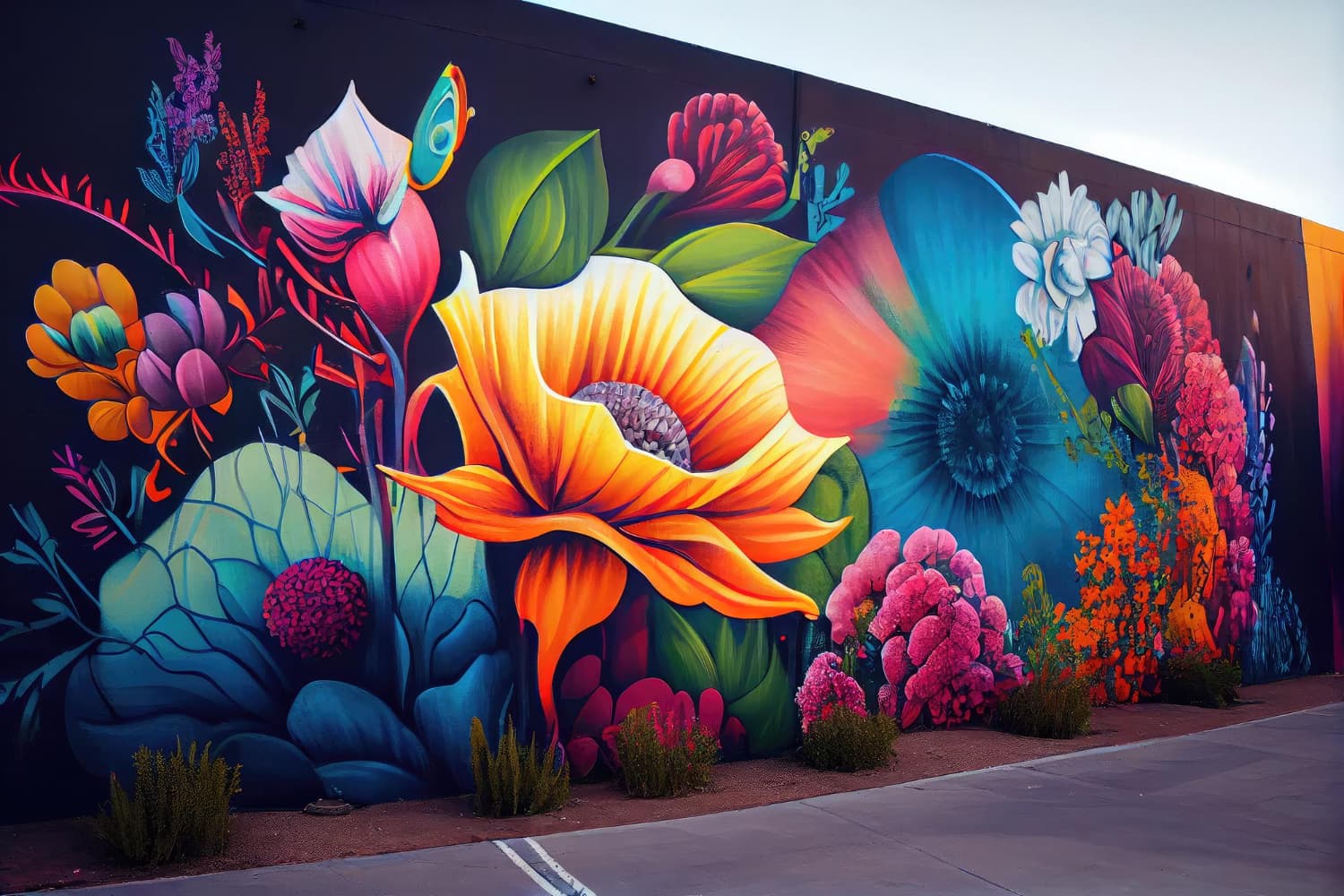
A wall printing quotation checklist lists what a supplier needs to price your wall accurately: city and site address, each wall's width and height, clear site photos, the surface and its condition, your artwork status, preferred dates and working hours, and what is in or out of scope. Send these together for a firmer, faster quote.
This guide is for homeowners in Riyadh and Jeddah who are ready to book, and for procurement and facilities teams preparing a formal request for quotation (RFQ). It covers what to send, how to measure and photograph the wall, and the gaps that most often slow a quote down. Comparing and evaluating quotes once they arrive is a separate step and is not covered here.
Why Does a Complete Brief Produce a More Accurate Wall Printing Quote?
Direct-to-wall printing is priced around the real conditions on site, not just the size of the image. The same three-metre wall can need very different preparation, access equipment and time depending on its texture, height and how busy the space is. When a request arrives with only "how much for a mural?", the supplier has to guess, ask several follow-up questions, or book a visit before giving any figure.
A complete brief removes most of that back-and-forth. It lets the team check printability, plan access and estimate working time from the start, so the first number you receive is closer to the final one. It also creates a written record of what you asked for, which matters later when you compare the scope against the delivered result.
- Fewer revisions: the quote reflects your actual wall, not an assumed one.
- Fewer surprises: preparation, access and design work are visible as line items rather than added later.
- Faster scheduling: once the quote is approved, the team already has what it needs to plan the visit.
Wall Printing Quotation Checklist: What Should You Send With Your Request?
Use the items below as the core of any request, whether it is a single bedroom feature wall or several walls across a commercial fit-out.
1. Project location and site access
Give the city, district and full site address, plus the type of property (villa, apartment, office, shop, restaurant, school). Mention the floor level, whether there is a lift, parking or loading restrictions, and any security or building-management approvals the installer will need to enter. For towers and malls, note whether work must happen outside trading hours.
2. Wall dimensions and number of walls
List each wall separately with its width and height in centimetres. If you want the design to cover only part of the wall, give the print area as well as the full wall size. Note doors, windows, sockets, switches, air-conditioning units or columns that interrupt the surface, because the design and the print path have to work around them.
3. Site photographs
Send at least one straight-on photo of each wall taken from the middle of the room, plus close-ups of the surface and any damage. A wider photo that shows the floor, ceiling and nearby furniture helps the team judge access and how much protection the room will need.
4. Wall surface and condition
Say what the wall is made of and how it is finished: painted plaster, gypsum board, concrete, brick, tile, glass, wood or metal. Mention cracks, damp, peeling paint, fresh paint or a heavy texture. Surface type affects whether the wall is printable as it is or needs preparation first, so this one detail changes many quotes.
5. Artwork and design status
Be clear about where the design stands. Do you have a ready, high-resolution file, a reference image you like, a logo and brand guidelines, or only an idea? A ready file is quoted as print-only; an idea usually needs design time and one or more mock-ups for approval, which should appear on the quote.
6. Preferred dates and working hours
Share your target completion date, any fixed deadline such as an opening or an event, and when the space is available. Families may prefer work while the house is empty; businesses may need evening or weekend slots. A realistic window helps the supplier commit to a date it can actually meet.
7. Scope inclusions and exclusions
State what you expect the supplier to handle and what you will handle yourself. Typical items to clarify are wall preparation or repainting, moving furniture, design work, protective coating, cleaning after the job and removal of any existing wallpaper or old graphics.
How Should You Measure and Photograph the Wall Before Requesting a Quote?
You do not need professional tools to send useful measurements. A tape measure, a phone camera and a few minutes of care are enough for a first quote.
- Measure width at two heights. Measure along the wall near the floor and again at about head height, and send the larger figure.
- Measure height at both ends. Floors and ceilings are not always level, so measure at the left and right edges and note both.
- Mark obstacles. Note the position and size of doors, windows and fixtures from the nearest corner.
- Photograph in daylight. Stand in the centre, hold the phone level and include the whole wall. Avoid wide-angle distortion where possible.
- Add a scale reference. A photo with the tape measure stretched across part of the wall helps the team read texture and size together.
- Label everything. Name photos by room and wall (for example "Majlis, north wall") so they match your measurements.
Your measurements guide the first quote; the supplier normally confirms them on site before printing. If you want to know what a formal visit checks, our wall printing site survey checklist for Saudi project teams explains what the survey team looks at and why.
What Do Missing Details Do to Your Quote?
Most delays come from a handful of predictable gaps. The list below shows the common ones, what they cause and how to close them before you send your request.
- Only one overall size for several walls: The supplier cannot price preparation or access per wall. Fix: List each wall with its own width and height.
- No photos, or photos taken at an angle: Surface and obstacles are guessed; a site visit is needed first. Fix: Send straight-on and close-up photos of every wall.
- Surface type not mentioned: Preparation may be added later as an extra. Fix: Name the material and finish, and note any damage.
- Design status unclear: Design time is left off or overestimated. Fix: Say whether you have a final file, a reference or only an idea.
- No date window: The quote cannot confirm availability. Fix: Give a target date and the hours the space is free.
- Scope not defined: Disagreement later about who moves furniture or repaints. Fix: Write a short list of inclusions and exclusions.
What Should Procurement Teams Add to a Commercial Wall Printing RFQ?
Businesses, developers and facilities teams usually need more than a homeowner. Alongside the core checklist, a commercial RFQ in Saudi Arabia benefits from the following:
- Project scope document: a numbered list of walls with drawings or a floor plan marking each location.
- Brand approval route: who signs off the artwork, and whether head office or a landlord must also approve.
- Documented approval steps: the stages at which you need a mock-up, a test print or written sign-off before full production.
- Site rules: permit-to-work requirements, safety induction, allowed working hours and the contact person on site.
- Commercial terms: the format you need the quotation in, payment stages, and invoicing details. Saudi VAT is charged at 15% under ZATCA rules, so ask for prices to show VAT clearly and give your company's VAT registration details for the tax invoice.
- Handover needs: photos of the finished walls, care guidance and any documents your facilities team keeps on file.
Asking every supplier for the same information in the same format makes the later supplier review fairer and quicker, because you are comparing like with like.
How Does Your Artwork Status Change the Quote?
Design is often the least clear part of a request. It helps to place yourself in one of three groups.
- Print-ready file: you have a final, high-resolution file sized to the wall. The quote can focus on printing, preparation and access. Check our practical preflight checklist for wall printing artwork files before you send it.
- Reference or brand assets: you have a logo, photos or an image you like, but not a finished layout. Expect design time and a visual mock-up showing the artwork on your wall.
- Idea only: you know the mood or theme you want. Share examples you like, colours to avoid and the room's furniture and finishes so the designer can propose concepts.
Whichever group you are in, say whether the artwork is yours to use. Photos, illustrations and logos may carry licensing or trademark limits, and the supplier needs to know the file can legally be reproduced at wall size.
What Happens After You Send Your Quote Request?
A typical sequence looks like this, although each project differs:
- Review: the team checks your details and asks short follow-up questions if anything is missing.
- Initial quote: you receive a priced scope based on your measurements, photos and design status.
- Site check: for most projects the wall is checked in person to confirm size, surface and access.
- Design and approval: where design is included, you review a mock-up and give written approval.
- Preparation and booking: the date is fixed and you get guidance on getting the room ready. Our guide on how to prepare a wall for printing without missing the basics covers what to do before the team arrives.
Frequently Asked Questions
What information do I need to get a wall printing quote?
Send the city and site address, each wall's width and height, straight-on photos of every wall, the wall material and condition, your artwork status, your preferred dates and working hours, and a short list of what is included or excluded. These details let the supplier price preparation, design, access and printing without guessing.
Can I get a wall printing quote without a site visit?
Often yes, at least as a first estimate. Good measurements and clear photos usually allow an initial priced scope. Most suppliers still confirm the size, surface and access on site before printing, so treat a remote quote as provisional until the wall has been checked in person and the final scope agreed in writing.
Do I need a finished design before asking for a quote?
No. You can request a quote with a print-ready file, with reference images and brand assets, or with only an idea. Just state which one applies. A finished file is priced mainly for printing, while references or ideas usually add design time and at least one mock-up for your approval.
How should I measure a wall for a printed mural?
Measure the width near the floor and at head height, and the height at both ends, then send the larger figures in centimetres. Note the position and size of doors, windows, sockets and other fixtures from the nearest corner, and add a photo with a tape measure across the wall for scale.
What should a business include in a wall printing RFQ?
Besides the standard checklist, include a numbered wall list or floor plan, the artwork approval route, required sign-off stages, site rules and access hours, payment and invoicing details including VAT registration, and the handover documents you need. Asking all suppliers for the same format makes your later supplier review fair and simple.
Conclusion
A wall printing quote is only as accurate as the information behind it. Before you ask for a price, gather the site address and access notes, measurements for each wall, clear photos, the surface type and condition, your design status, your date window and a simple scope list. Business teams should add an approval route, site rules and invoicing details. Sending all of this in one request saves time for everyone and gives you a quote you can plan around.
Ready to plan your wall? Share your photos, measurements and ideas with the WallInks team through the WallInks website and request your wall printing quote, and we will review your brief and come back with clear next steps.
Frequently Asked Questions
What information do I need to get a wall printing quote?
Send the city and site address, each wall's width and height, straight-on photos of every wall, the wall material and condition, your artwork status, your preferred dates and working hours, and a short list of what is included or excluded. These details let the supplier price preparation, design, access and printing without guessing.
Can I get a wall printing quote without a site visit?
Often yes, at least as a first estimate. Good measurements and clear photos usually allow an initial priced scope. Most suppliers still confirm the size, surface and access on site before printing, so treat a remote quote as provisional until the wall has been checked in person and the final scope agreed in writing.
Do I need a finished design before asking for a quote?
No. You can request a quote with a print-ready file, with reference images and brand assets, or with only an idea. Just state which one applies. A finished file is priced mainly for printing, while references or ideas usually add design time and at least one mock-up for your approval.
How should I measure a wall for a printed mural?
Measure the width near the floor and at head height, and the height at both ends, then send the larger figures in centimetres. Note the position and size of doors, windows, sockets and other fixtures from the nearest corner, and add a photo with a tape measure across the wall for scale.
What should a business include in a wall printing RFQ?
Besides the standard checklist, include a numbered wall list or floor plan, the artwork approval route, required sign-off stages, site rules and access hours, payment and invoicing details including VAT registration, and the handover documents you need. Asking all suppliers for the same format makes your later supplier review fair and simple.