
Wall Printing in Saudi Arabia: A Complete Buyer Orientation
Explore this wall printing guide for Saudi Arabia covering costs, surfaces, applications, benefits, limitations, design choices and buyer tips.
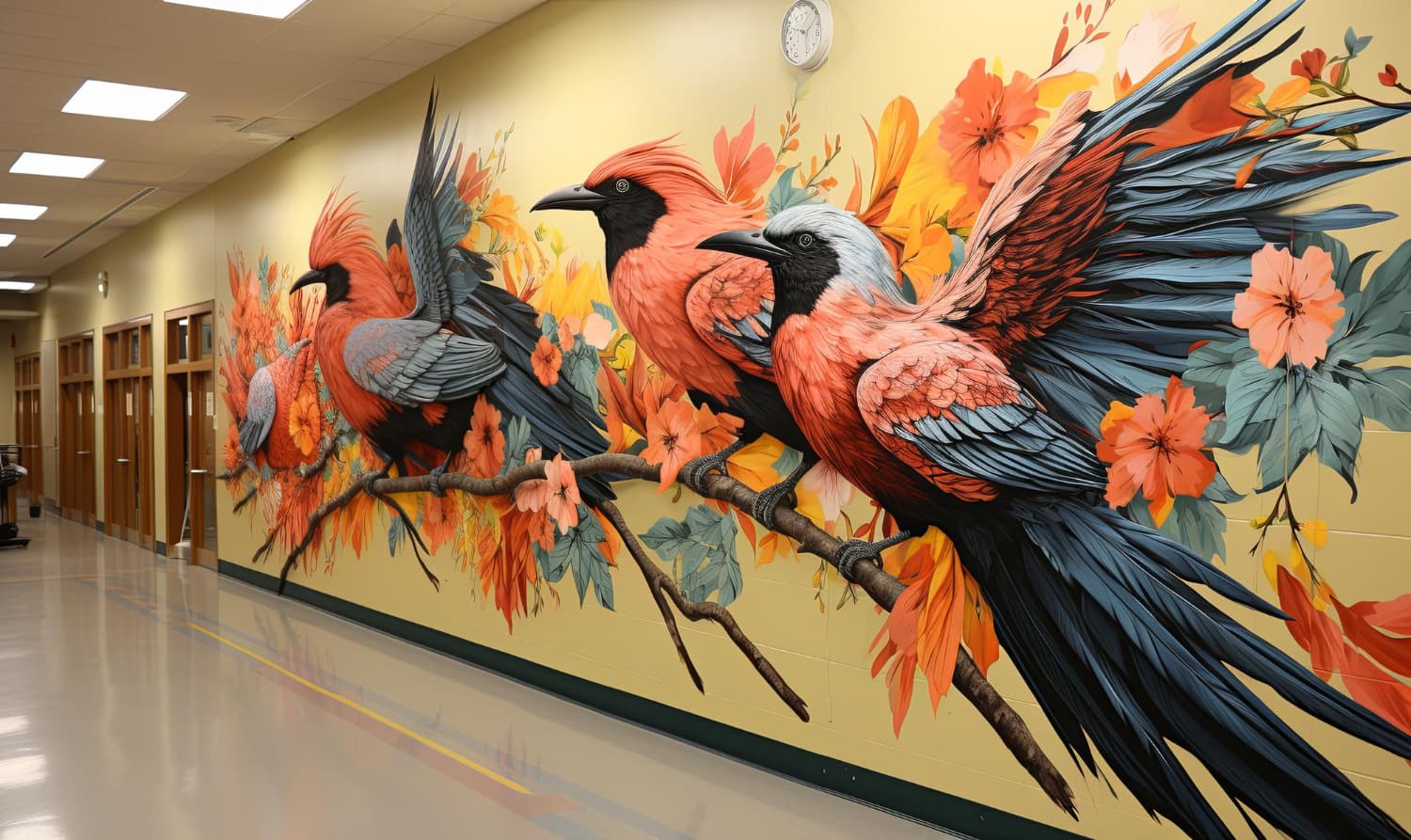
If you are comparing decorative options for a home, office, restaurant, hotel, retail space, or other interior, this wall printing guide Saudi Arabia explains what direct wall printing is, where it works, what to check before ordering, and how to decide whether it suits your project.
In simple terms, direct-to-wall printing uses a vertical digital printer to apply artwork directly onto a prepared surface rather than attaching wallpaper, vinyl, panels, or a pre-printed mural. It can be used for custom artwork, branding, Arabic calligraphy, patterns, illustrations, and photographic designs across residential and commercial interiors.
The right choice depends on more than the image itself. Buyers should consider wall condition, surface material, dimensions, artwork quality, viewing distance, environmental exposure, project scope, installation access, and service coverage before approving a project.
What Is Direct Wall Printing?
Direct wall printing is a digital printing process in which specialized equipment travels vertically across a surface and deposits ink according to a digital artwork file.
Unlike wallpaper or adhesive graphics, the design is created directly on the wall itself. This eliminates wallpaper seams and adhesive-backed sheets while allowing the artwork to follow the dimensions of the chosen surface.
Wallinks uses German-engineered UV direct-to-wall printing technology for surfaces including concrete, plaster, glass, wood, tile, fabric, and other suitable prepared materials. You can explore the available wall printing services in Saudi Arabia to understand the types of residential and commercial spaces that can be considered.
The process should not be confused with conventional painting. A painter creates the image manually, while a wall printer reproduces an approved digital design using controlled printing equipment.
Wall Printing Guide Saudi Arabia: What Buyers Should Know First
Before requesting a quotation, answer five basic questions:
Where will the print be installed? Home, office, restaurant, hotel, clinic, retail store, school, or another environment.
What is the wall made from? Plaster, concrete, glass, tile, wood, or another material.
What condition is the surface in? Cracks, moisture, loose paint, heavy texture, or uneven surfaces may require preparation.
What do you want printed? Existing artwork, a brand design, a selected image, Arabic calligraphy, or completely custom artwork.
How large is the printable area? Accurate wall dimensions help determine design proportions, equipment access, project duration, and quotation requirements.
Providing these details early creates a much clearer project brief and reduces unnecessary revisions later.
How Direct Wall Printing Works
A professional project normally moves through four stages: consultation, artwork preparation, approval, and printing.
1. Consultation and Site Assessment
The provider first needs to understand the wall, interior, design objective, and overall project scope.
Important information may include:
wall width and height;
wall material;
surface condition;
indoor or covered outdoor location;
nearby furniture or permanent fixtures;
access for printing equipment;
preferred artwork style;
brand requirements for commercial interiors.
For larger or unusual walls, a site inspection can be particularly important.
2. Artwork Selection or Custom Design
Buyers may already have an illustration, photograph, pattern, company logo, or finished design.
If not, the artwork can be developed around the room and its intended purpose. Wallinks, for example, allows customers to bring existing artwork, choose from available artwork, or develop personalized art for the wall.
For a tailored concept, the custom wall design service can be used to develop artwork around the dimensions, character, and purpose of the space.
3. Scaling and Approval
A design that looks excellent on a laptop screen may behave differently when enlarged across several metres.
Before printing, check:
resolution;
aspect ratio;
cropping;
important details near edges;
text readability;
logo proportions;
colours;
scale relative to furniture and people;
positioning around sockets, doors, windows, and architectural features.
The artwork should be approved before production begins.
4. On-Site Printing
Once the wall and design are ready, the printer is positioned in front of the surface and reproduces the digital file directly onto it.
Wallinks describes its workflow as consultation, design approval, on-site printing, and completion. Its site notes that most individual walls can be completed during one on-site session, although actual timing should always be confirmed according to dimensions, wall condition, artwork complexity, and access.
See the complete direct wall printing process before preparing your project.
Where Can Wall Printing Be Used?
One advantage of digital printing is the range of potential wall printing applications.
Residential Interiors
In residential interiors, custom printing can create a focal point without covering every wall in the room.
Common applications include:
living-room feature walls;
children's bedrooms;
home offices;
majlis spaces;
hallways;
entertainment rooms;
stair walls;
villa entrances.
For example, a children's bedroom might use an illustrated landscape designed specifically around the bed and furniture instead of a repeating wallpaper pattern.
A majlis could use Arabic calligraphy, geometric patterns, or artwork developed around the architectural proportions of the room.
Commercial Interiors
In commercial interiors, wall printing can serve both decorative and communication purposes.
Potential applications include:
restaurant feature walls;
café interiors;
hotel lobbies and corridors;
reception areas;
offices;
retail stores;
salons;
gyms;
clinics;
exhibition environments.
A company may print a branded illustration behind reception, while a restaurant may commission custom artwork connected to its cuisine, location, or visual identity.
Wallinks currently lists hotels, restaurants, cafés, corporate offices, homes, retail spaces, healthcare facilities, gyms, and salons among its application areas.
For practical inspiration, review the wall printing gallery in Saudi Arabia before choosing a style.
Which Surfaces Can Be Printed?
Surface compatibility should always be confirmed rather than assumed.
Depending on the printing system and preparation, direct wall printing may be possible on materials such as:
painted walls;
plaster;
concrete;
glass;
treated wood or MDF;
ceramic or porcelain tile;
stone;
brick or clinker;
selected fabric and acoustic panels.
Wallinks states that its equipment can work across several of these prepared surfaces.
However, compatibility does not mean every wall can be printed immediately.
A wall with active moisture, deteriorating paint, major cracks, dust, or an unstable coating may need repair or preparation first. Very irregular textures can also affect how fine details appear.
That is why surface assessment should be part of the service enquiry.
Direct Wall Printing vs Wallpaper vs Hand-Painted Murals
There is no single wall treatment that is best for every project.
OptionBest suited toKey advantageMain considerationDirect wall printingCustom graphics, artwork and branded interiorsDigital customization without wallpaper seamsRequires suitable wall condition and printing accessWallpaperRepeating patterns and broad decorative coverageLarge selection of established designsJoins, adhesive and installation quality matterVinyl graphicsTemporary promotions, signage and brandingRelatively easy to replaceEdges and joins may remain visibleHand-painted muralArtist-led, expressive workUnique handmade characterTime, artist availability and cost vary considerably
Choose direct wall printing when:
You want digital artwork customized to a specific wall, especially where seamless visual presentation and precise reproduction are priorities.
Choose wallpaper when:
You prefer repeating patterns, textures, or conventional decorative wall coverings and do not require one-off artwork designed around the exact dimensions of the wall.
Choose a hand-painted mural when:
The handmade process itself is part of the artistic value you want.
The decision should come from the visual objective, budget, wall condition, expected use, and future renovation plans—not from technology alone.
Benefits of Custom Wall Murals in KSA
The strongest reason to consider custom wall murals KSA is not simply that they look different from ordinary paint. Their value comes from being designed around a particular space.
Design Freedom
Artwork can be adapted to dimensions, interior colours, furniture, brand guidelines, cultural references, or architectural features.
No Repeating Pattern Requirement
Wallpaper patterns often repeat. Direct-to-wall printing allows one continuous composition across the printable area.
Useful for Branding
Commercial spaces can incorporate:
brand colours;
logos;
illustrations;
typography;
visual storytelling;
local references;
campaign concepts.
This can be particularly useful where the physical environment is intended to reinforce a brand identity.
Application Across Different Interior Types
The same production method can potentially be used for a private villa, hospitality project, office, restaurant, or retail environment, provided the surface and project conditions are suitable.
Artwork Can Be Developed Specifically for the Space
Instead of selecting a generic design, custom artwork can respond to the proportions, purpose, audience, and atmosphere of the room.
Important Limitations Buyers Should Understand
A useful wall printing buying guide also needs to explain where the method may not be appropriate.
The Wall Still Matters
Printing does not repair structural problems.
Moisture, damaged plaster, loose paint, large cracks, or unstable surfaces should be addressed before printing.
Artwork Quality Matters
A low-resolution image cannot automatically become a highly detailed large mural simply because advanced equipment is used.
Images should be prepared at an appropriate quality for their final dimensions and viewing distance.
Equipment Needs Physical Access
The printing system needs sufficient access to the wall.
Large furniture, fixed counters, deep architectural obstructions, staircases, very narrow spaces, or unusual ceiling conditions can affect feasibility.
Not Every Surface Behaves Identically
Glass, plaster, concrete, tile, and wood have different characteristics. Preparation requirements can therefore vary.
Outdoor Conditions Need Specific Assessment
A product being suitable for certain covered or protected environments does not automatically mean every exterior façade is suitable.
Sunlight, heat, moisture, dust, exposure, substrate condition, and ink specifications should be discussed with the provider before commissioning an exterior project.
How to Choose a Wall Printing Provider in Saudi Arabia
Do not choose a supplier based only on a single social-media photograph.
Ask questions that reveal the actual process.
1. Ask to See Completed Work
Look at real installations rather than digital mockups alone.
Check whether the portfolio includes spaces similar to yours.
2. Ask About the Printing Technology
The supplier should be able to explain:
printing method;
ink type;
suitable substrates;
surface preparation;
resolution;
curing process;
expected maintenance.
Technical terminology matters less than a clear explanation of what it means for your specific project.
For wider industry context, architectural publication ArchDaily documents how digital printing technologies are used to create customized imagery and finishes in interior applications. When publishing this article, set this external ArchDaily reference to rel="nofollow" in your CMS.
3. Verify Service Coverage
Saudi Arabia is geographically large, so confirm service coverage before finalizing the design.
Wallinks states that it is based in Saudi Arabia and provides service across Saudi Arabia.
For projects outside major urban centres, discuss travel, site access, scheduling, and any location-related quotation factors during the initial enquiry.
4. Understand What the Quote Includes
Ask whether the quotation covers:
site visit;
design work;
artwork licensing;
wall preparation;
printing;
travel;
equipment access;
revisions;
taxes;
post-installation guidance.
A lower initial price may not represent the final project cost if important items are excluded.
5. Review the Artwork Approval Process
You should know what is being printed before printing begins.
Request an appropriately scaled visual or artwork proof and confirm the final dimensions, position, orientation, and design.
How to Prepare a Strong Project Brief
A useful project brief makes quotations more accurate and design conversations more productive.
Include:
city and project location;
room or business type;
wall width and height;
surface material;
clear photographs of the complete wall;
photographs showing surrounding space;
approximate artwork direction;
reference images;
brand guidelines if applicable;
expected completion date;
whether artwork already exists;
number of walls.
For commercial projects, also explain the objective.
For example:
“Reception wall for a Riyadh technology company. Approximately 5 m wide. We want a contemporary branded illustration incorporating our identity without making the logo the dominant element.”
That is more useful than simply asking, “How much is wall printing?”
What Should You Ask Before Ordering?
Before accepting a quotation, ask the supplier:
Is my exact wall material suitable?
Does it need preparation before printing?
What artwork file quality do you need?
Can you create the design if I do not have artwork?
What is included in the quotation?
How long should this particular project take?
How should the finished wall be cleaned?
Are there environmental limitations for this location?
What access does the equipment require?
What happens if the wall dimensions change?
Do you cover my city?
How many design revisions are included?
These questions help compare suppliers on process rather than price alone.
What Information Determines Wall Printing Cost?
There is no responsible way to give one universal price without knowing the project.
A quotation may be influenced by:
printable area;
wall height and width;
number of walls;
artwork requirements;
surface preparation;
substrate type;
project location;
equipment accessibility;
design complexity;
commercial site requirements.
A small residential feature wall with finished artwork is fundamentally different from a multi-wall hotel or corporate interior project.
For that reason, submitting dimensions, photographs, location, and artwork requirements is usually the most useful way to obtain an accurate estimate.
You can send these details through the Wallinks wall printing service enquiry.
A Practical Wall Printing Buying Guide: Final Decision Checklist
Before proceeding with direct wall printing Saudi Arabia, confirm the following:
The surface has been assessed and is suitable.
You know whether wall preparation is required.
Final dimensions have been measured.
The artwork has adequate quality.
The final design and positioning have been approved.
You understand what is included in the quotation.
Service coverage for your city has been confirmed.
Installation access has been checked.
Expected project duration has been discussed.
Cleaning and maintenance guidance has been provided.
If those points are clear, you are in a much better position to compare proposals objectively.
FAQs About Wall Printing in Saudi Arabia
1. What is direct wall printing in Saudi Arabia?
Direct wall printing is a digital process in which specialized vertical printing equipment applies an approved image directly onto a suitable prepared surface. It can be used for artwork, graphics, patterns, branding, illustrations, and other custom designs in residential and commercial spaces.
2. What surfaces can be used for custom wall murals in KSA?
Depending on the equipment and surface preparation, wall printing can potentially be applied to plaster, concrete, glass, wood, tile, brick, and selected fabrics. Each surface should be evaluated before printing because texture, moisture, coatings, and condition can influence the result.
3. What are the most common wall printing applications?
Wall printing applications include feature walls in homes, children's rooms, offices, hotel interiors, restaurant walls, cafés, clinics, gyms, salons, retail spaces, and branded reception areas. The best application depends on the purpose of the space and the suitability of the surface.
4. What should I include in a wall printing service enquiry?
Include the project city, photographs of the wall, wall dimensions, substrate type, number of walls, preferred artwork style, existing design files if available, and desired completion schedule. A detailed project brief helps the provider evaluate feasibility and prepare a more relevant quotation.
5. How should I use this wall printing guide Saudi Arabia when comparing suppliers?
Use the guide as a checklist. Compare surface assessment, technology, completed projects, artwork preparation, quotation scope, service coverage, installation requirements, maintenance guidance, and the clarity of the supplier's process rather than comparing price alone.
Conclusion
Wall printing gives homeowners, designers, architects, and businesses another way to create highly customized interiors without relying entirely on wallpaper, vinyl graphics, or manually painted murals.
A successful project starts with the fundamentals: a suitable surface, properly prepared artwork, accurate dimensions, clear expectations, and a well-defined project scope.
Before choosing a provider, examine real work, understand the printing process, confirm surface compatibility and service coverage, and request a quotation based on your actual wall rather than a generic estimate.
If you already have a wall in mind, request a Wallinks wall printing quote in Saudi Arabia with your dimensions, location, photographs, and design idea to discuss the most suitable approach for your space.