
Wall Printing for Homes and Villas: The Residential Planning Guide
Explore our wall printing for homes guide. Plan custom murals for Saudi villas and apartments, from artwork and wall preparation to printing and installation.
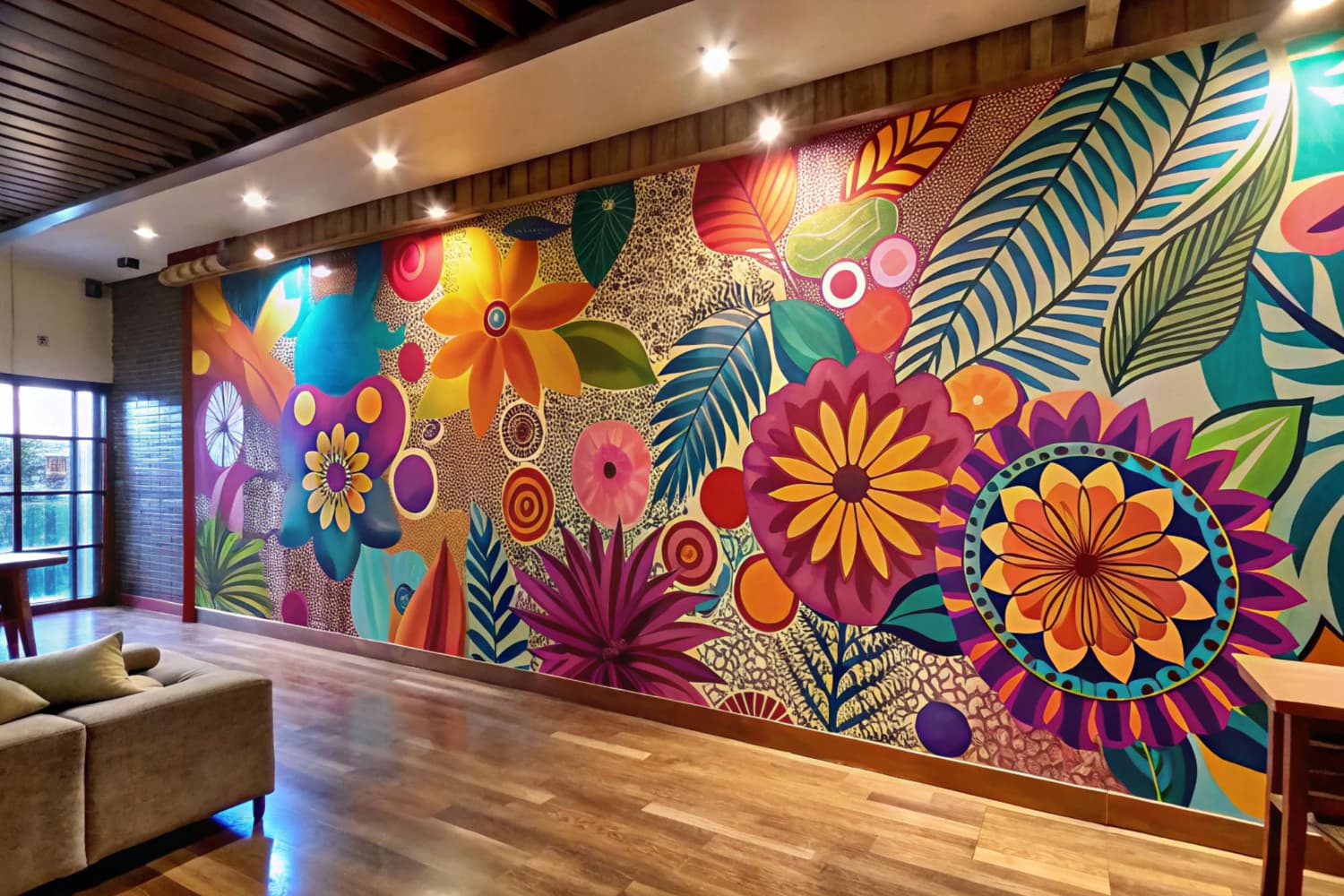
Planning a feature wall for your home involves more than choosing a beautiful image. This wall printing for homes guide explains how to select the right room, prepare the wall, choose artwork, and organize installation without disrupting your household routine.
Residential wall printing allows homeowners to apply custom artwork directly onto prepared wall surfaces, creating a personalized interior without traditional wallpaper or adhesive panels.
For villas and apartments in Saudi Arabia, the best results come from thoughtful planning. The room's purpose, lighting, wall dimensions, artwork quality, and installation schedule all influence the finished design.
At Wallinks, residential wall printing services bring custom designs to living rooms, bedrooms, children's spaces, and other residential interiors using direct-to-wall UV printing technology.
What Is Residential Wall Printing for Homes and Villas?
Residential wall printing is a decorative process that applies digital artwork directly onto a prepared wall using specialized printing equipment. Unlike wallpaper, which requires separate sheets and adhesive, direct-to-wall printing creates the image on the surface itself. It is suitable for personalized feature walls when the material, condition, and dimensions are compatible.
This technique allows homeowners to incorporate custom murals, illustrations, patterns, and decorative artwork into their interiors.
Popular residential applications include:
Living room feature walls
Bedroom accent walls
Children's room illustrations
Villa entrance halls
Home offices and study rooms
Family lounges and entertainment spaces
The main advantage is customization. Homeowners can select artwork that complements their existing furniture, color palette, and interior design.
For inspiration, explore the Wallinks wall printing gallery to see how artwork can be incorporated into different spaces.
How Do You Choose the Right Wall for Home Printing?
The best wall for residential printing is one that complements the room's function, provides sufficient viewing distance, and offers a suitable surface for the design. Before selecting artwork, homeowners should assess furniture placement, natural light, wall dimensions, and whether the chosen surface has any moisture or structural problems.
Living Rooms: Create a Balanced Focal Point
A living room feature wall should enhance the overall interior rather than compete with every decorative element.
Consider placing artwork behind a sofa, opposite the main seating area, or on a wall visible from the entrance.
For example, a modern villa with neutral furniture may benefit from a large botanical illustration, abstract composition, or subtle geometric pattern.
The artwork should complement the room's existing materials and colors.
Bedrooms: Match the Design to the Atmosphere
Bedrooms generally benefit from artwork that supports a calm, comfortable environment.
Suitable design directions may include:
Soft botanical artwork
Minimalist line illustrations
Neutral abstract patterns
Landscapes with muted colors
Personalized decorative compositions
A wall behind the headboard can be a good location, provided furniture does not obscure important design elements.
Children's Rooms: Plan for Changing Interests
Custom murals for homes can turn children's bedrooms and playrooms into imaginative environments.
Consider themes such as nature, animals, space, or educational illustrations.
However, children grow quickly, and their interests change. Choosing an adaptable theme may make the design suitable for longer.
Villas: Consider Scale and Viewing Distance
Villa wall printing planning requires particular attention to large surfaces, double-height spaces, and open-plan interiors.
A design that looks detailed on a laptop screen may appear too busy when enlarged across several meters.
For large entrance walls, consider artwork with a clear focal point and sufficient negative space.
A simple composition can sometimes make a stronger impression than a highly detailed mural.
How Should You Prepare a Wall Before Printing?
A wall should be structurally sound, dry, clean, and suitable for the chosen printing system before installation begins. Surface texture, existing paint, moisture, cracks, and previous repairs may affect print quality. A professional assessment helps determine whether cleaning, filling, repainting, or other preparation is necessary.
Check Surface Condition
Look for:
Cracks or uneven patches
Peeling paint
Dampness or water stains
Loose plaster
Heavy surface texture
Dust, grease, or residue
Do not assume that printing will conceal damaged walls.
Moisture problems should be repaired before decorative work. The U.S. Environmental Protection Agency's moisture and mold guidance recommends fixing water problems and drying affected surfaces before applying new decorative finishes.
Measure Wall Dimensions Accurately
Record the wall's width and height in centimeters or meters.
For example:
Width: 4 meters
Height: 2.5 meters
Total area: 10 square meters
This measurement gives an initial estimate of the print area. It does not account for machinery clearance, obstructions, or other installation requirements.
Also document electrical outlets, switches, doors, and furniture that may affect artwork placement.
Wallinks explains its consultation, design approval, and printing stages in its wall printing process guide.
How Do You Choose Custom Artwork for a Residential Interior?
Choosing artwork for a home begins with understanding the room's purpose, visual style, and available wall space. A successful design brief should define preferred colors, subject matter, overall mood, and the intended focal point before the artwork is adjusted to the wall's final dimensions.
Build a Clear Design Brief
A practical residential design brief should include:
Room type and function
Wall measurements
Preferred artwork style
Existing furniture and materials
Main color palette
Reference images
Budget expectations
Desired installation period
For example, a homeowner renovating a contemporary villa in Riyadh may request a desert-inspired mural that complements beige stone flooring, walnut furniture, and warm lighting.
This gives the designer a clear creative direction without prescribing every detail.
Review a Design Mockup Before Approval
A design mockup helps homeowners understand how the artwork may look at full scale.
Review the image from the room's normal viewing position rather than judging it only on a screen.
Pay attention to:
Artwork proportions
Cropping and positioning
Image resolution
Color relationships
Placement around furniture
Important details near corners or switches
Screen colors and final printed colors may differ because of lighting, surface finish, and material characteristics.
Wallinks offers a custom wall design service for homeowners who want to develop or personalize artwork for their interiors.
Client approval should be completed before the installation date is confirmed.
Wall Printing vs Wallpaper: Which Is Better for a Home?
Wall printing and wallpaper can both create decorative feature walls, but they differ in application, design flexibility, and installation requirements. Direct wall printing applies artwork onto the surface, while wallpaper uses manufactured sheets or panels. The better choice depends on the desired finish, wall condition, budget, and future renovation plans.
Consideration
Direct Wall Printing
Wallpaper
Application
Printed directly onto the surface
Installed using sheets or panels
Custom artwork
Can be scaled for a specific wall
Depends on available designs or custom production
Seams
No joining seams between sheets
Seams may be visible
Surface preparation
Requires a compatible, prepared wall
Requires appropriate wall preparation
Future changes
May need covering or repainting
Removal depends on adhesive and material
Cost
Project-specific
Varies by material and installation
Neither option is automatically better for every room.
Wall printing may suit homeowners who want personalized artwork without visible wallpaper joints.
Wallpaper may be preferable when a particular tactile finish, material texture, or removable covering is desired.
How Do You Plan Residential Wall Printing Installation?
Residential wall printing installation should be scheduled after surface preparation, artwork approval, and access requirements have been confirmed. Homeowners should coordinate the appointment around family routines, furniture placement, and ongoing renovation work. A prepared space allows technicians to work more efficiently and reduces avoidable interruptions during installation.
Follow this six-step planning framework:
1. Choose the room and wall. Confirm that the space supports the intended artwork and viewing distance.
2. Measure and inspect the surface. Record dimensions and identify any repairs needed before printing.
3. Develop the design brief. Share preferred artwork, colors, and references.
4. Review the mockup. Confirm the final composition, cropping, size, and artwork permissions.
5. Prepare the household schedule. Arrange furniture access, keep children and pets away from the work area, and coordinate with other contractors.
6. Complete installation and inspection. Review the finished artwork and obtain the recommended cleaning and maintenance instructions.
Wallinks states that most of its wall printing projects are completed in a single on-site session, often within one day. Actual installation time depends on wall size, artwork complexity, surface readiness, and site access.
Wallinks
For homeowners planning a larger renovation, wall printing is usually best scheduled after dusty construction, plaster repairs, and major painting work are complete.
More residential design ideas and planning guidance can be found in the Wallinks wall printing blog.
What Affects the Cost of Wall Printing for Homes?
The cost of residential wall printing depends on the size of the design, wall condition, artwork complexity, and preparation required. Larger prints, custom illustration work, difficult access, and additional surface treatment can influence the final quotation. Homeowners should request a project-specific estimate rather than rely on a generic square-meter price.
Consider these factors:
Print area: Larger walls generally require more printing time and materials.
Artwork preparation: Custom illustration or image editing may add design costs.
Surface repairs: Cracks, uneven coatings, or moisture issues require separate attention.
Access: Tall walls and restricted spaces may need additional equipment or planning.
Installation location: Site logistics can affect scheduling and quotations.
For example, printing a straightforward feature wall in a furnished apartment may involve different preparation requirements from a double-height villa entrance.
Before approving a quotation, confirm what is included in the design, preparation, printing, and installation stages.
For an estimate based on your specific wall, contact Wallinks for a wall printing quotation.
Frequently Asked Questions About Wall Printing for Homes
1. Is residential wall printing suitable for apartments and villas?
Yes, residential wall printing can be used in apartments, villas, bedrooms, living rooms, and other interior spaces when the wall surface is compatible. The design and installation process should account for available space, wall dimensions, furniture, and household access. Professional assessment helps confirm suitability.
2. How long does home wall printing take?
Many residential wall printing projects can be completed within one on-site session after the design and wall preparation are finalized. However, completion time varies with print area, artwork complexity, surface condition, and access. Large villa walls or extensive preparation work may require additional planning.
3. Can homeowners provide their own custom artwork?
Yes, homeowners can usually submit personal artwork for review and printing. The file should have sufficient resolution, appropriate proportions, and the necessary usage rights. The printing provider may need to adjust its dimensions, cropping, or layout to achieve a suitable result on the chosen wall.
4. What should be included in a villa wall printing plan?
A villa wall printing plan should include room function, exact wall dimensions, artwork references, furniture positioning, surface condition, and installation access. For tall or oversized walls, viewing distance and equipment clearance are particularly important. The final design should be approved before installation is scheduled.
5. Can wall printing be included in a home renovation?
Yes, wall printing can be incorporated into a home renovation as a finishing-stage decorative feature. It is generally best arranged after major construction, plaster repairs, and painting are complete. The wall should be clean, dry, stable, and accessible before the printing team begins work.
Conclusion: Plan Your Residential Wall Printing With Confidence
A successful home wall printing project starts with choosing the right space, understanding its function, measuring the surface accurately, and selecting artwork that suits the interior.
For homeowners and villa owners in Saudi Arabia, careful design approval and installation planning help create a personalized feature wall without unnecessary disruption.
Whether you're decorating a bedroom, redesigning a living room, or finishing a new villa, the most important step is developing a design that belongs naturally in your space.
Ready to bring custom artwork into your home?
Explore the possibilities with Wallinks and discuss your residential wall printing requirements with the team.