
Wall Printing in Small Rooms: Get Scale and Cropping Right
Small room wall mural scale explained: measure the wall, match detail to viewing distance, crop around furniture and approve a mockup before printing.
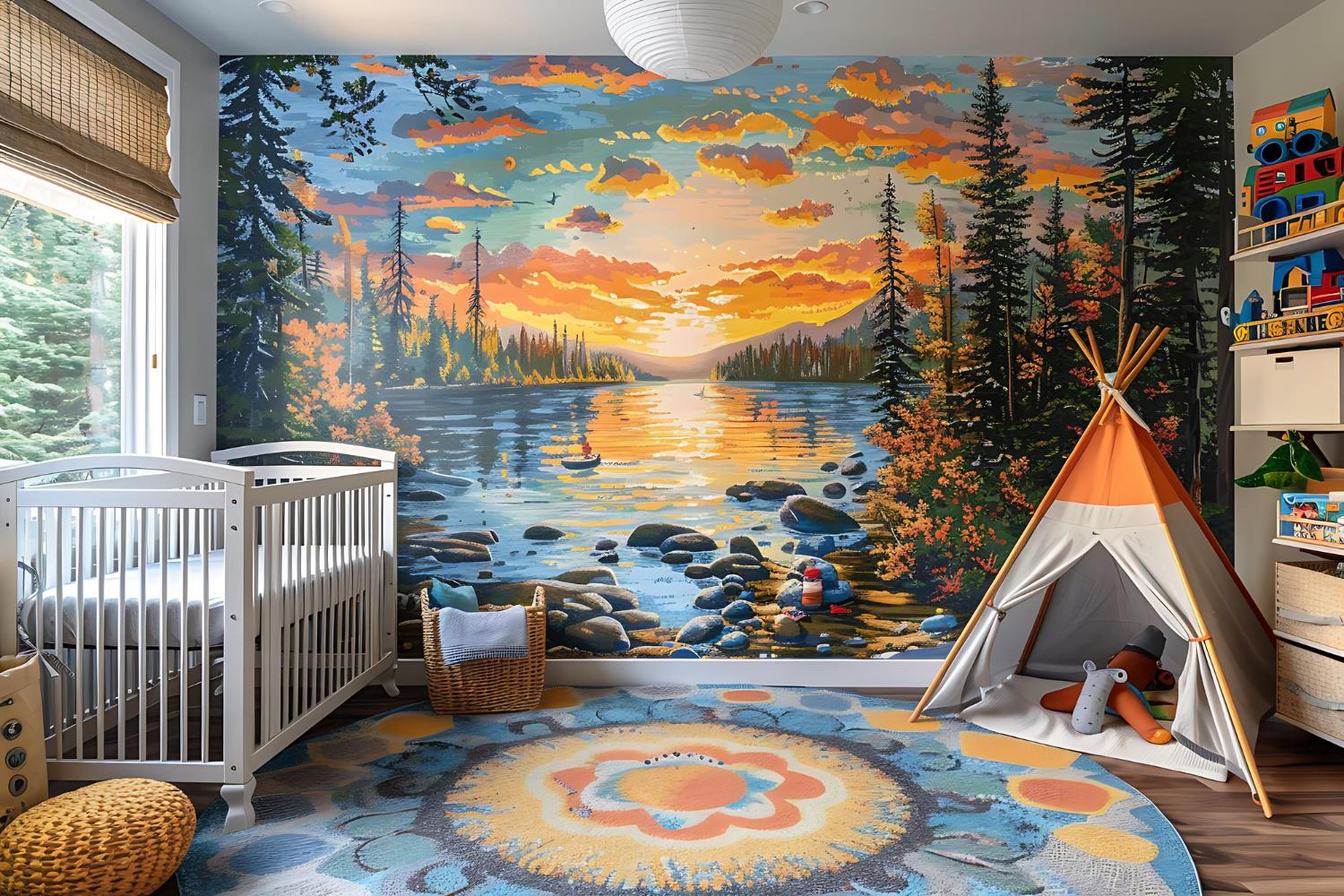
Small room wall mural scale is about matching the size of the printed design to the wall and to how close people stand to it. In a compact room, choose fewer, larger elements, crop the artwork so the focal point sits at eye level, keep some quiet space around it, and approve a measured mockup before printing.
A well-scaled mural can make a small bedroom, home office or majlis corner feel calmer and more intentional. A poorly scaled one can make the same room feel crowded within days. The difference is rarely the artwork itself. It is the planning: measurements, viewing distance, cropping and an honest mockup.
Why Does Scale Matter More in a Small Room?
In a large hall, people see a mural from several metres away, so fine detail blends into an overall picture. In a small room, the viewer is often only one or two metres from the wall. At that distance, the eye reads every line, every repeat and every edge, and the design can feel like it is leaning into the room.
Small rooms also have more interruptions per square metre: a door, a window, a wardrobe, a bed headboard, a desk, switches and an air-conditioning unit. Each one cuts into the printable area. A design chosen from a phone screen, where it looks complete and balanced, may lose half its meaning once furniture covers the lower third.
That is why the scale decision should come before the style decision. Decide how big the main elements should be, then choose artwork that works at that size.
How Do You Measure a Small Wall for Mural Scale?
Start with a simple elevation of the wall: a front-on sketch with every measurement written on it. You need:
- Full wall width and height, measured in at least two places because walls are rarely perfectly square.
- Openings and fixed items: doors, windows, AC units, sockets, switches and shelves, with their distance from the floor and corners.
- Furniture that will stay: headboard height, desk height, sofa back height, wardrobe width.
- The visible area: the part of the wall people will actually see once the room is furnished.
- Viewing positions: where people sit, lie down or stand most often, and how far that is from the wall.
- Photos taken straight on and from the main viewing position, in daylight and with the room lights on.
If you are not sure what else a designer will need, our checklist of information to send with a wall-printing quote request lists the photos and details that make planning faster.
What Is the Right Small Room Wall Mural Scale?
There is no single correct size, but a few general design principles help most compact rooms:
Choose fewer, larger elements
Many small motifs repeated across a wall can look busy at close range. A few larger shapes, a single landscape view or one strong botanical element usually reads more calmly. Large elements also survive being partly hidden by furniture.
Match detail to viewing distance
Fine detail rewards close viewing, so it suits a reading nook or the wall beside a desk. Bold, simplified forms suit walls seen across the room. Ask yourself where the eye lands first from the bed, sofa or chair, then place the clearest part of the design there.
Keep the focal point near eye level
In a small room, a focal point placed too high makes people look up, and one placed too low gets lost behind furniture. For a bedroom, the zone just above the headboard often works. For a home office, consider what will appear on camera behind you.
Leave negative space
Quiet areas of plain colour, or soft gradients, give the eye somewhere to rest. A mural does not need to fill every centimetre. A partial-wall design with clean margins can feel more refined than an edge-to-edge print in a tight space.
How Should You Crop Artwork for a Compact Wall?
Most artwork is not designed for the exact proportions of your wall. A wide panorama on a tall, narrow wall, or a portrait-format image on a short, wide wall, will need cropping, and the crop decides what the room actually shows.
- Find the crop ratio first. Divide the visible wall width by its height. Compare that ratio with the artwork and see how much must be trimmed.
- Protect the subject. Make sure the main subject is not cut by a door frame, hidden behind the headboard or split by a corner.
- Avoid awkward cuts. Faces, Arabic calligraphy and key architectural lines should not be sliced by openings or furniture edges.
- Check resolution after cropping. Cropping and enlarging a small file can soften the image. Our guide to choosing artwork for wall printing by style, size and quality explains what to check.
Which Design Choices Help Small Rooms Feel Calm?
A mural cannot change the physical size of a room, and it is better not to expect it to. What it can do is change how ordered and comfortable the room feels. These choices tend to help:
- A restrained colour palette that relates to the flooring, curtains and furniture rather than competing with them.
- Soft contrast rather than many hard, high-contrast edges, especially on walls that face the bed.
- Horizontal lines, such as a low horizon in a landscape, which can make a wall feel steadier.
- One feature wall instead of printing several walls in the same small room.
- Lighting checks: look at the mockup under the actual room lighting, because warm and cool lights change colours.
If you are still deciding which wall should carry the design, read our guide on where a printed mural should go, which covers sightlines, entrances and furniture height.
How Does a Measured Mockup Prevent Mistakes?
A measured mockup places the chosen artwork onto a photo or elevation of your real wall at the real size. It is the single most useful step for small spaces because it shows problems before anything is printed.
- Send a straight-on photo and the wall measurements.
- Ask for two or three scale options of the same artwork, for example a larger crop, a medium crop and a partial-wall version.
- Check each option from the main viewing position, with the furniture marked on it.
- Review the colours on more than one screen, and, if possible, a printed sample.
- Approve one version in writing, including the final dimensions and placement.
In Riyadh and Jeddah apartments, where bedrooms and studies are often compact and furniture is placed against most walls, this step usually saves more time than any other.
What Mistakes Should You Avoid With Murals in Small Rooms?
- Choosing artwork on a phone screen without seeing it at full scale on the real wall.
- Ignoring furniture that will cover part of the design.
- Using too many small, repeated details that feel busy at close range.
- Placing the main subject behind a door swing or in a corner where it is rarely seen.
- Skipping written approval of the final crop, size and colours.
Frequently Asked Questions
Can a wall mural work in a small bedroom?
Yes. Small bedrooms often suit a single feature wall, usually behind the headboard, with a calm palette and a few large elements rather than many small details. Measure the visible area above the bed, keep the focal point near eye level when lying or sitting, and approve a measured mockup before printing.
Should a mural in a small room cover the whole wall?
Not necessarily. A full-wall design can work when the wall is mostly clear of furniture and openings. Where a desk, wardrobe or window interrupts the surface, a partial-wall mural with clean margins often looks more intentional and is easier to plan around everyday use of the room.
Will a wall mural make my room look bigger?
A mural does not change the physical size of a room, so it is wise not to choose one for that reason alone. What a well-scaled design can do is make a compact room feel more ordered and calm by reducing visual clutter and giving the eye one clear focal point.
How do I know if the artwork scale is right?
Ask for a measured mockup that places the artwork on a photo of your real wall at the real size, with furniture marked. View it from where you usually sit or lie down. If the main subject is clear, nothing important is hidden and the wall does not feel crowded, the scale is likely right.
What information should I send before planning a small-room mural?
Send the wall width and height, positions of doors, windows, switches and AC units, the furniture that will stay, a straight-on photo and a photo from the main viewing position. Include your city, the artwork or style you like and any approval deadline so the planning can start accurately.
Conclusion
Small room wall mural scale comes down to measuring carefully, matching detail to viewing distance, cropping the artwork around furniture and openings, and leaving some quiet space. Choose fewer, larger elements, keep the focal point near eye level and approve a measured mockup in writing before anything is printed.
Planning a mural for a compact bedroom, study or majlis corner in Riyadh or Jeddah? Share your wall photos and measurements with WallInks and our team will help you choose a scale and crop that suits the room.