
Majlis Wall-Printing Ideas: Heritage, Hospitality and Contemporary Design
Majlis wall printing ideas for Saudi homes: where to place the design above the seating line, Najdi, Sadu and calligraphy styles, scale, colour and prep.
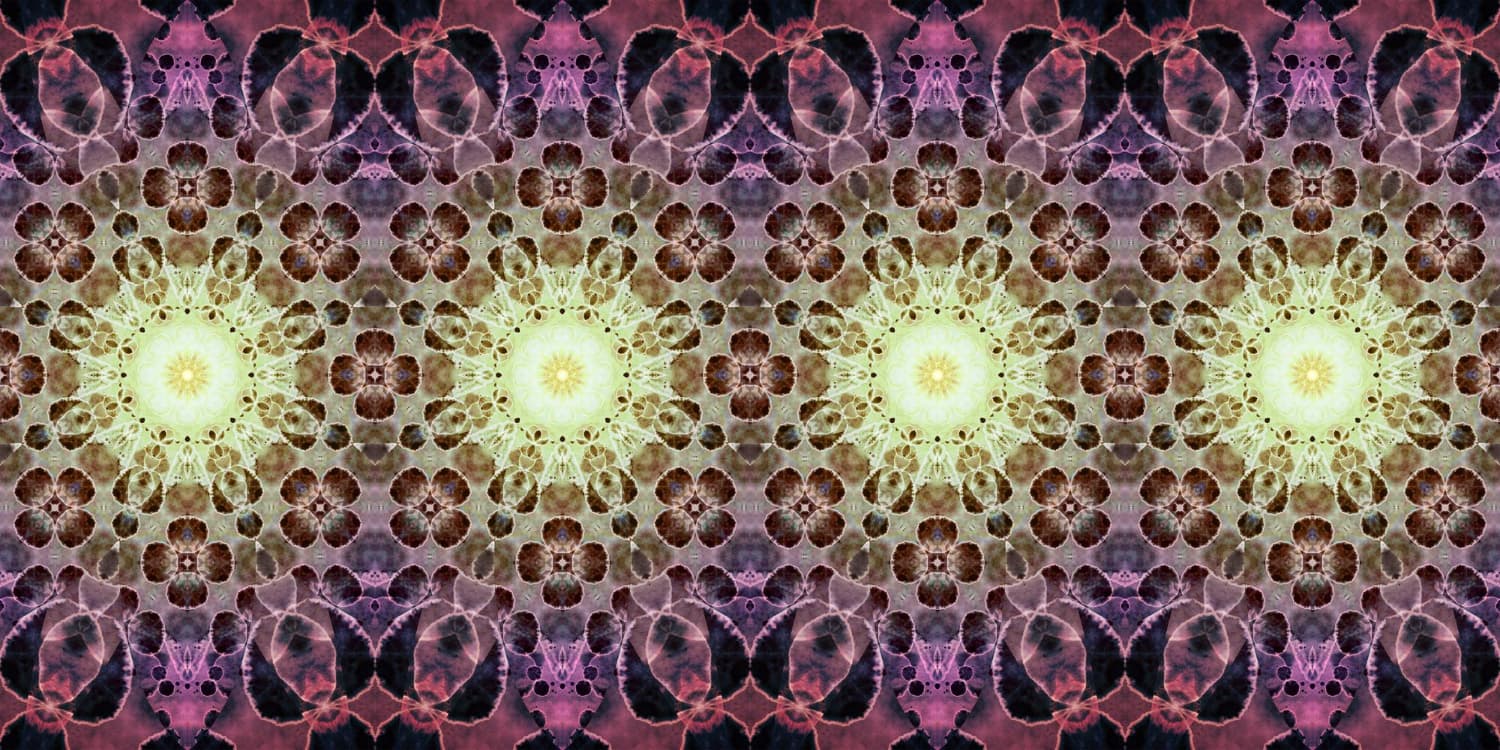
The best majlis wall printing ideas start from how guests sit, not from the pattern. Plan the main design above the seating line on the wall guests face as they enter, keep detail at eye level for seated visitors, and choose a style that suits the room's hospitality role, from Najdi geometry and Sadu-inspired bands to calm contemporary calligraphy.
A majlis is often the most used and most photographed room in a Saudi home. It hosts family gatherings, Ramadan evenings, Eid visits and business guests, and it is usually furnished along the walls rather than in the centre. That layout changes how a printed wall should be planned. This guide covers where the design should sit, which style directions work, how scale and colour behave in a majlis, and what to prepare before a site survey.
What Makes a Majlis Wall Different From Other Rooms?
Three things set the majlis apart from a living room or bedroom.
- Guests sit low and along the walls. Floor seating or low sofas line most walls, so the lower part of every wall is partly hidden by cushions, backrests and people. Artwork placed too low disappears once the room is in use.
- The room is viewed from the seats, not from standing. Guests spend hours looking at the opposite wall. Detail should therefore be readable from a seated position across the room.
- The room carries the family's welcome. The first wall guests see when they enter sets the tone. Many families want that wall to feel generous and calm rather than busy.
Our guide to choosing the right wall for a printed mural explains sightlines in general; in a majlis, the seating line is the rule that overrides everything else.
Where Should the Design Sit on a Majlis Wall?
Start above the seating line
Measure the height of the backrests or sofa backs and treat that line as the floor of the artwork. The main composition then sits between the seating line and roughly two-thirds of the wall height, where seated guests naturally look. Below the seating line, keep only a plain colour or a quiet border that will not look cut off when cushions are in place.
Choose one focal wall
The focal wall is usually the one facing the entrance or the wall behind the host's seat. Give that wall the strongest design and keep the side walls lighter: a continuation of the colour palette, a narrow geometric band, or a single repeated motif. Printing every wall with full artwork tends to make a majlis feel smaller and busier, especially when the room is full.
Work around windows, AC units and lighting
Note the positions of windows, split AC units, switches, speakers and wall lights before design starts. A focal composition that runs behind an AC unit loses its centre. A good printed design is drawn to the real wall, with these fixed objects marked on the layout.
Which Majlis Wall Printing Ideas Suit Different Styles?
There is no single Saudi majlis style. The directions below are examples to discuss with your designer, not a rule about what every household prefers.
Najdi geometry
Traditional Najdi houses used carved and painted geometric shapes, triangles and star forms, often in earthy plaster tones. A printed wall can borrow this vocabulary as a border at the seating line, a band near the ceiling, or a framed panel on the focal wall, in sand, clay, white and deep brown.
Sadu-inspired bands
Al Sadu is the Bedouin weaving tradition recognised by UNESCO as intangible cultural heritage. Its strong horizontal stripes and small repeating motifs translate well into long, narrow bands that run around the room above the cushions. The bands echo the textiles many families already use on majlis seating.
Asiri colour and pattern
Al-Qatt Al-Asiri, the painted interior wall tradition of the Asir region inscribed by UNESCO in 2017, uses bright colour and bold triangular and linear patterns. For a majlis it works best on one feature wall or an alcove, balanced by plain surrounding walls.
Arabic calligraphy
A verse, a line of poetry or a welcoming phrase in Thuluth, Diwani or a modern Kufic style can become the centre of the focal wall. Keep the composition generous, with clear space around the text. Ask a calligrapher or designer to check spelling, diacritics and letter spacing before approval, because errors are costly to correct on a printed wall.
Landscape and contemporary designs
Desert dunes, AlUla rock forms, palm groves or an abstract wash of sand and sky colours suit families who want a calmer, modern majlis. Landscapes work well when the horizon line is placed just above seated eye level, so the view feels natural from the cushions.
How Should You Choose Scale and Colour for a Majlis?
Scale is where most majlis designs succeed or fail. Large motifs read clearly from across the room; fine detail blurs at a distance and can look like texture. A practical approach is to choose one large element for the focal wall and repeat smaller supporting elements elsewhere.
For colour, start from what will not change: the seating fabric, carpets, curtains and wood tones. Build a palette of three to five colours from those items and use the strongest colour sparingly. Warm lighting in the evening shifts colours towards yellow, so review the proof under the lighting the majlis actually uses at night, not only in daylight. For more on picking artwork that prints well, see how to choose artwork for wall printing by style, size and quality.
How Do You Plan Separate Men's and Women's Majlis Rooms?
Many homes have two majlis rooms, often with different furniture and visitors. They do not need identical designs, but a shared element, such as the same border motif or a related palette, makes the house feel planned. One room might carry calligraphy while the other uses landscape, with the same sand tone linking both. Decide early whether each room has its own focal wall, so the survey and quotation cover both spaces at once.
What Should You Prepare Before a Site Survey?
A short brief saves time and gives the designer what they need to produce a realistic proposal.
- Photos of every wall from the entrance and from the main seating position.
- Wall widths and heights, plus the height of the seating backrests.
- Positions of windows, AC units, switches, lights and doors.
- Photos of the seating fabric, carpet and curtains.
- Two or three reference images of styles you like, and one you do not.
- Any text or calligraphy you want included, written out exactly.
- Dates to avoid, such as the weeks before Ramadan or a family occasion.
Our checklist of the information to send with a wall-printing quote request lists the remaining details.
What Mistakes Should You Avoid in Majlis Wall Printing?
- Placing the main design so low that cushions and guests cover it.
- Printing full artwork on every wall, which crowds the room.
- Choosing fine detail that cannot be read from the opposite seats.
- Approving calligraphy without a native-level check of the text.
- Judging colours only in daylight when the room is mostly used at night.
- Booking installation close to Ramadan or Eid, when the majlis is needed most.
Frequently Asked Questions
Which wall should I print in my majlis?
Usually the wall facing the entrance or the wall behind the main host seat. It is the wall guests see first and look at longest. Keep the other walls lighter, with a continued colour, a narrow band or a repeated motif, so the room feels welcoming rather than crowded when every seat is taken.
How high should a majlis mural start?
Start the main composition at or just above the top of the seating backrests. Anything below that line is hidden by cushions and guests during use. Measure the backrest height on site, mark it on the wall drawing, and keep only plain colour or a quiet border beneath it.
Can calligraphy be printed directly on a majlis wall?
Yes. Calligraphy prints well when the artwork is prepared as a clean, high-resolution or vector file and the text is checked carefully before approval. Ask a calligrapher or a fluent reviewer to confirm spelling, diacritics and spacing, and view the proof at full scale on screen before printing begins.
Do traditional patterns suit a modern majlis?
They can. Najdi geometry, Sadu-inspired bands or Asiri colour can be simplified, enlarged or limited to one band or panel so they sit comfortably in a modern room. The key is restraint: one heritage element, a calm palette and enough plain wall around it to let the pattern stand out.
How long does it take to plan a majlis wall design?
It depends on the number of walls, how settled your brief is, and how many revision rounds you need. Sending photos, measurements, fabric references and exact text at the start shortens the process. Allow extra time if you want the work finished before Ramadan, Eid or a family event.
Conclusion
A successful majlis wall is planned around guests: the design sits above the seating line, one focal wall carries the strongest artwork, and scale and colour are chosen to read from the seats under evening light. Heritage directions such as Najdi geometry, Sadu bands and Asiri colour, or calm calligraphy and landscapes, all work when they are applied with restraint and checked carefully before printing.
If you are planning a new majlis or refreshing an existing one, share your photos, measurements and ideas with the WallInks team. Request a majlis wall printing consultation with WallInks and we will help you choose the right wall, develop the design and plan the installation around your family's calendar.
Frequently Asked Questions
Which wall should I print in my majlis?
Usually the wall facing the entrance or the wall behind the main host seat. It is the wall guests see first and look at longest. Keep the other walls lighter, with a continued colour, a narrow band or a repeated motif, so the room feels welcoming rather than crowded when every seat is taken.
How high should a majlis mural start?
Start the main composition at or just above the top of the seating backrests. Anything below that line is hidden by cushions and guests during use. Measure the backrest height on site, mark it on the wall drawing, and keep only plain colour or a quiet border beneath it.
Can calligraphy be printed directly on a majlis wall?
Yes. Calligraphy prints well when the artwork is prepared as a clean, high-resolution or vector file and the text is checked carefully before approval. Ask a calligrapher or a fluent reviewer to confirm spelling, diacritics and spacing, and view the proof at full scale on screen before printing begins.
Do traditional patterns suit a modern majlis?
They can. Najdi geometry, Sadu-inspired bands or Asiri colour can be simplified, enlarged or limited to one band or panel so they sit comfortably in a modern room. The key is restraint: one heritage element, a calm palette and enough plain wall around it to let the pattern stand out.
How long does it take to plan a majlis wall design?
It depends on the number of walls, how settled your brief is, and how many revision rounds you need. Sending photos, measurements, fabric references and exact text at the start shortens the process. Allow extra time if you want the work finished before Ramadan, Eid or a family event.