
Commercial Wall Printing in Saudi Arabia: Plan, Approve and Deliver
A commercial wall printing planning guide for Saudi businesses: stakeholders, brief, site checks, approvals, trading-hour scheduling and handover pack.
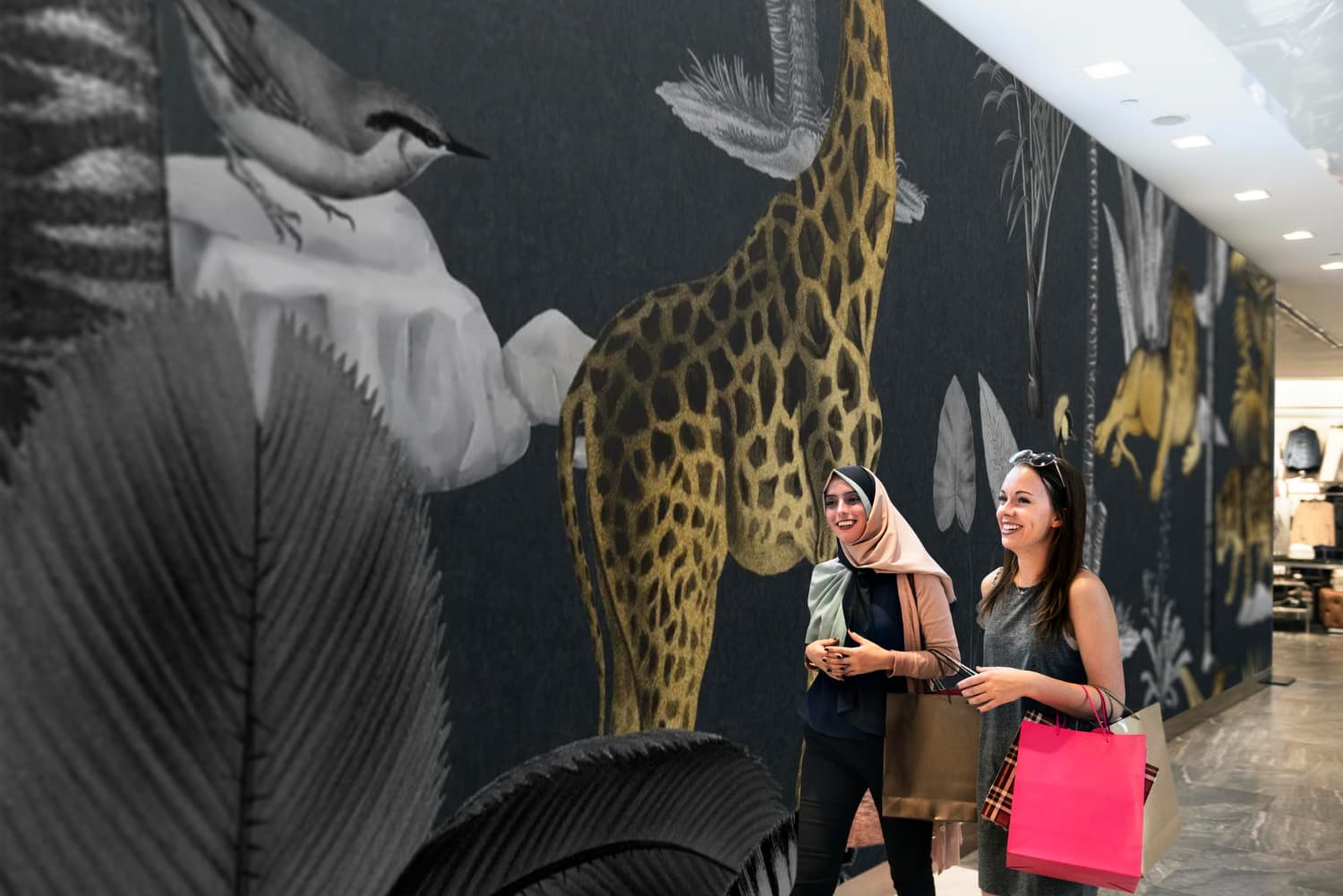
A commercial wall printing project in Saudi Arabia runs best in five stages: name one project owner, prepare a clear brief with drawings and photos, confirm site rules and approvals, schedule printing around trading hours, and close with a handover pack. This commercial wall printing planning guide explains each stage so walls are delivered on brand and on time.
Offices, retail stores, clinics, gyms, hotels and showrooms in Riyadh, Jeddah and across the Kingdom increasingly use printed walls to carry brand stories, wayfinding and visual identity. Commercial projects involve more people than a home project, so most problems come from planning gaps rather than the printing itself. The sections below set out how to plan, approve and deliver a commercial wall with fewer surprises.
Why Does a Commercial Wall Printing Project Need a Plan?
A printed wall in a business space has a job to do. It might welcome visitors at reception, explain a brand story, guide people to a service counter or create a photo spot customers share. That job brings in several stakeholders: brand or marketing, operations, facilities, the fit-out contractor and often the landlord or mall management.
Without a plan, each group reviews the wall at a different time with different priorities. Artwork gets changed after the site is booked, access is refused on the installation day, or a wall is printed before a fixture is moved. A short written plan prevents most of these issues and protects your opening date.
Who Should Be Involved in a Commercial Wall Printing Project?
Keep the group small and the roles clear. A typical commercial project includes:
- Project owner: one person who holds the brief, budget and final sign-off.
- Brand or marketing lead: approves artwork, colours, logos and any Arabic and English text.
- Facilities or operations manager: confirms access times, power, cleaning and staff safety.
- Fit-out contractor or interior designer: shares drawings and confirms wall finishes and timing with other trades.
- Landlord or mall management: approves work inside a leased or shared building where their rules apply.
Agree at the start who approves what, and in which order. A simple approval chain avoids the common situation where the brand team approves a design that the landlord or facilities team later blocks.
How Do You Write a Commercial Wall Printing Brief?
A good brief lets the printing team understand the purpose, the space and the constraints before any design work starts. Include:
- Purpose: what the wall must achieve, for example brand welcome, wayfinding, a product story or a photo spot.
- Location and dimensions: the city, building, floor and the width and height of each wall.
- Photos and drawings: straight-on photos of each wall, plus a floor plan or elevation if available.
- Surface notes: paint type, texture, recent repairs, and fixtures such as sockets, switches, screens or signage.
- Artwork status: final files, brand guidelines, or references if the design still needs to be created.
- Language: whether text appears in Arabic, English or both, and who approves the wording.
- Dates and hours: the target completion date and the times the site can be accessed.
If you are collecting this information for a price, our checklist on what to send when requesting a wall printing quote covers the details suppliers need to quote accurately.
What Should You Check on Site Before Printing?
A site visit or a detailed photo survey confirms that the wall matches the drawings. In commercial spaces, the details that most often change a plan are:
- Fixtures added after the drawings were made, such as screens, fire equipment, thermostats or signage.
- Surface condition after fit-out work, including fresh plaster, dust or patch repairs that need time or preparation.
- Access for equipment, such as lift sizes, loading times and where the team can set up.
- Lighting at the wall, which affects how colours and text will look to visitors.
Our site survey checklist for Saudi project teams explains what to measure and photograph in more detail.
How Should Commercial Wall Printing Be Approved?
Approvals are where commercial projects most often lose time. Plan them as clear steps rather than one final review:
- Concept approval: the project owner and brand lead agree the direction, message and placement.
- Proof approval: a scaled visual or mock-up of the artwork on the actual wall is signed off, including Arabic and English text checks.
- Site approval: facilities and, where relevant, the landlord or mall management confirm working hours, access and any fit-out rules.
- Final sign-off: one written approval of the final file version that will be printed.
Keep every approval in writing, with the file version number. If anything changes after sign-off, treat it as a new version and confirm it again before the installation day.
How Do You Schedule Printing Around Trading Hours?
Most commercial sites cannot close for a printing job, so scheduling matters as much as the artwork. Agree early whether the work will happen before opening, after closing, on a quieter weekday or during a planned closure, and confirm the timing with the site manager in writing.
Seasonal patterns also matter. Ramadan, Eid and other busy periods change trading hours and footfall in many Saudi businesses, so plan around them rather than discovering a conflict late. For walls in food and beverage venues, our guide to wall printing for restaurants and cafes in Riyadh covers scheduling around service in more depth.
On the day, screen the work area, protect floors and furniture, and agree who on the site team can answer questions. That keeps staff and customers comfortable while the wall is completed.
What Belongs in the Handover Pack?
A short handover pack turns a finished wall into a documented asset that facilities and marketing teams can manage. Include:
- Photos of the finished wall from straight on and from the main visitor viewpoint.
- The approved artwork file and its version number.
- The wall location, dimensions and surface preparation notes.
- Simple care guidance for cleaning staff.
- Contact details for future changes or refreshes.
For businesses with several branches, the handover pack also makes it easier to keep walls consistent from one location to the next.
What Mistakes Delay Commercial Wall Printing Projects?
- Too many approvers: late comments from people outside the agreed approval chain.
- Booking before the proof is approved: installation dates move when artwork is still changing.
- Ignoring building rules: missing landlord or mall permission for contractor access or working hours.
- Printing before other trades finish: fixtures, painting or ceiling work added after the wall is done.
- No owner after handover: nobody knows which file version was used when the wall needs a refresh.
Frequently Asked Questions
Who should own a commercial wall printing project inside the business?
One named project owner should hold the brief, budget and final approval, usually from marketing, facilities or the fit-out team. Other stakeholders, such as brand, operations and the landlord or mall management, review at agreed stages. A single owner prevents conflicting feedback, keeps decisions moving and gives the printing team one person to confirm drawings, dates and site access with.
What drawings or files should we prepare for a commercial wall?
Prepare a wall elevation or floor plan with dimensions, photos of each wall from straight on, notes on sockets, switches, signage and fixtures, and the artwork or brand guidelines. If the design is not final, share references and the message the wall must carry. These files let the team check scale, readability and placement before a proof is approved.
Can wall printing happen while a shop, office or restaurant stays open?
Often yes, if the work is planned around trading hours. Many commercial sites schedule printing before opening, after closing or on quieter days, and screen off the work area. Agree access times, power, cleaning and customer safety in advance with the site manager, so staff and visitors are not disrupted and the schedule is realistic.
What approvals do commercial wall printing projects usually need?
Most projects need internal brand approval of the final proof and written approval from the person who owns the space, such as the landlord, mall management or facilities team. Some sites have fit-out rules on finishes, working hours and contractor access. Check these early, because a late approval is one of the most common reasons commercial installation dates slip.
What should be in the handover pack after installation?
A useful handover pack includes photos of the finished wall, the approved artwork file and version, the wall location and dimensions, any surface preparation notes and simple care guidance for cleaning staff. Facilities teams use it to answer questions later, plan future refreshes and brief new staff, which matters most for multi-branch businesses keeping walls consistent across locations.
Conclusion
Commercial wall printing works best when it is managed like any other part of a fit-out. Name one project owner, write a clear brief with photos and drawings, confirm the site before printing, approve in clear written steps, schedule around trading hours and finish with a handover pack. These steps protect your brand, your opening date and the experience of staff and visitors.
Planning a printed wall for an office, store, clinic or showroom in Riyadh, Jeddah or elsewhere in Saudi Arabia? Share your commercial wall printing brief with WallInks and our team will review the space, the artwork and the timeline with you before any work is booked.